Répertoire des Réalisateurs
7,903 réalisateurs · page 1 / 165
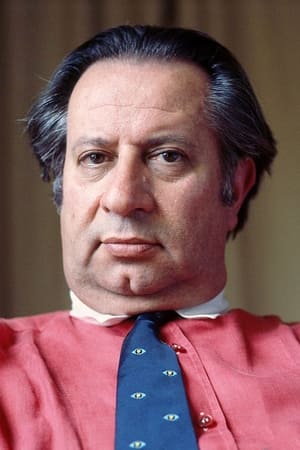
Tinto Brass
Giovanni "Tinto" Brass (born 26 March 1933) is an Italian film director and screenwriter. In the 1960s and 1970s, he directed many critically acclaimed avant-garde films of various genres. Today, he is mainly known for his later work in the erotic genre, with films such as Caligula, Così fan tutte (released under the English title All Ladies Do It), Paprika, Monella (Frivolous Lola) and Trasgredire. After Salon Kitty (1976) and Caligula (1979), the style of his films gradually changed towards erotic films. Caligula was originally supposed to be a satire on power instead of an erotic film, but the producers changed and re-edited the film entirely without Brass's consent, removing many political and comical scenes, and shooting sexually explicit sequences, to make the film a pornographic drama. The director demanded that his name be stricken from the credits, and he is only credited for "Principal Photography". Despite this, the film remains his most widely viewed work (and the highest-grossing Italian film released in the United States). Other notable works of Brass's later period include The Key (1983) and Senso '45 (2002). He was making films into his seventies.
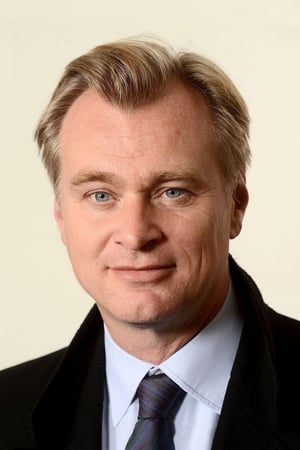
Christopher Nolan
Christopher Edward Nolan, CBE (born 30 July 1970) is a British-American film director, screenwriter, and producer. He was born in Westminster, London, England and holds both British and American citizenship due to his American mother. He is known for writing and directing critically acclaimed films such as Memento (2000), The Prestige (2006), The Dark Knight Trilogy (2005-12), Inception (2010), Interstellar (2014) and Dunkirk (2017). Nolan is the founder of the production company Syncopy Films. He often collaborates with his wife, producer Emma Thomas, and his brother, screenwriter Jonathan Nolan.
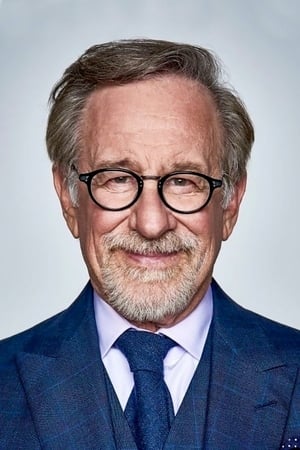
Steven Spielberg
Steven Allan Spielberg (born December 18, 1946) is an American film director, writer and producer. A major figure of the New Hollywood era and pioneer of the modern blockbuster, he is the most commercially successful director of all time. Spielberg is the recipient of various accolades, including three Academy Awards, a Kennedy Center honor, four Directors Guild of America Awards, two BAFTA Awards, a Cecil B. DeMille Award and an AFI Life Achievement Award. Seven of his films have been inducted into the National Film Registry by the Library of Congress as "culturally, historically or aesthetically significant". Spielberg was born in Cincinnati, Ohio, and grew up in Phoenix, Arizona. He moved to California and studied film in college. After directing several episodes for television including Night Gallery and Columbo, he directed the television film Duel (1971) which gained acclaim from critics and audiences. He made his directorial film debut with The Sugarland Express (1974), and became a household name with the 1975 summer blockbuster Jaws. He then directed huge box office successes Close Encounters of the Third Kind (1977), E.T. the Extra-Terrestrial (1982) and the Indiana Jones original trilogy (1981-89). Spielberg subsequently explored drama in the acclaimed The Color Purple (1985) and Empire of the Sun (1987). After a brief hiatus, Spielberg directed the science fiction thriller Jurassic Park (1993), the highest-grossing film ever at the time, and the Holocaust drama Schindler's List (1993), which has often been listed as one of the greatest films ever made. He won the Academy Award for Best Director for the latter and for the 1998 World War II epic Saving Private Ryan. Spielberg continued in the 2000s with science fiction films A.I. Artificial Intelligence (2001), Minority Report (2002) and War of the Worlds (2005). He also directed the adventure films The Adventures of Tintin (2011) and Ready Player One (2018); the historical dramas Amistad (1997), Munich (2005), War Horse (2011), Lincoln (2012), Bridge of Spies (2015) and The Post (2017); the musical West Side Story (2021); and the semi-autobiographical drama The Fabelmans (2022). He has been a producer on several successful films, including Poltergeist (1982), Gremlins (1984), Back to the Future (1985) and Who Framed Roger Rabbit (1988) as well as the miniseries Band of Brothers (2001). Spielberg co-founded Amblin Entertainment and DreamWorks, and has served as a producer for many successful films and television series. He is also known for his long collaboration with the composer John Williams, with whom he has worked for all but five of his feature films. Several of Spielberg's works are among the highest-grossing and greatest films all time. Premiere ranked him first place in the list of 100 Most Powerful People in Movies in 2003. In 2013, Time listed him as one of the 100 most influential people.
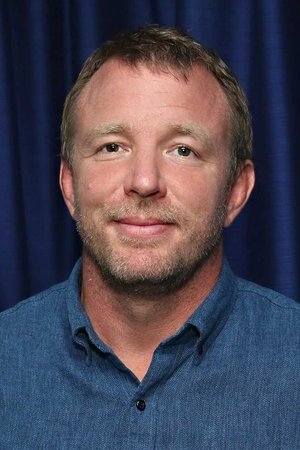
Guy Ritchie
Guy Stuart Ritchie (born 10 September 1968) is an English film director, producer, writer, and businessman. Ritchie left school at age 15 and worked entry-level jobs in the film industry before going on to direct television commercials. In 1995, he directed a short film, The Hard Case, followed by the crime comedy, Lock, Stock and Two Smoking Barrels (1998), his feature-length directorial debut. He soon gained recognition with his second film, Snatch (2000), which also found critical and commercial success. Following Snatch, Ritchie directed Swept Away (2002), a critically panned box-office bomb starring Madonna, to whom Ritchie was married between 2000 and 2008. He went on to direct Revolver (2005) and RocknRolla (2008), which were less successful and received mixed audience reviews. In 2009 and 2011, he directed two box-office hits, Sherlock Holmes and its sequel, Sherlock Holmes: A Game of Shadows, respectively. The former was nominated for Academy Awards in Best Original Score and Best Art Direction. His other directed motion pictures are The Man From U.N.C.L.E. (2015), which is a remake of a 1960 spy series, King Arthur: Legend of the Sword (2017) and the live-action adaptation of Disney's Aladdin (2019). Aladdin earned more than $1 billion worldwide, becoming one of the highest-grossing films in 2019, and the 34th highest-grossing film of all-time during its theatrical run. In 2020, he returned to crime comedy with The Gentlemen (2019), which was mostly well received and a commercial success. In 2021, he directed Jason Statham in the action film, Wrath of Man.
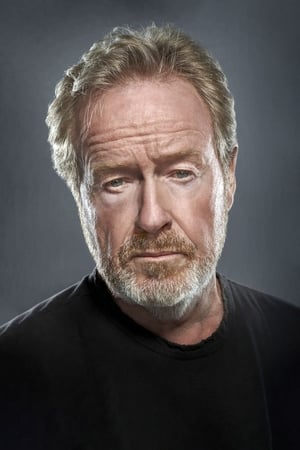
Ridley Scott
Sir Ridley Scott (born November 30, 1937) is an English filmmaker. He was raised in an Army family, meaning that for most of his early life, his father — an officer in the Royal Engineers — was absent. Ridley's older brother, Frank, joined the Merchant Navy when he was still young and the pair had little contact. During this time the family moved around, living in (among other areas) Cumbria, Wales and Germany. He has a younger brother, Tony, also a film director. After the Second World War, the Scott family moved back to their native north-east England, eventually settling in Teesside (whose industrial landscape would later inspire similar scenes in Blade Runner). He enjoyed watching films, and his favourites include Lawrence of Arabia, Citizen Kane and Seven Samurai. Scott studied in Teesside from 1954 to 1958, at Grangefield Grammar School and later in West Hartlepool College of Art, graduating with a Diploma in Design. He progressed to an M.A. in graphic design at the Royal College of Art from 1960 to 1962. At the RCA he contributed to the college magazine, ARK and helped to establish its film department. For his final show, he made a black and white short film, Boy and Bicycle, starring his younger brother, Tony Scott, and his father. The film's main visual elements would become features of Scott's later work; it was issued on the 'Extras' section of The Duellists DVD. After graduation in 1963, he secured a job as a trainee set designer with the BBC, leading to work on the popular television police series Z-Cars and the science fiction series Out of the Unknown. Scott was an admirer of Stanley Kubrick early in his development as a director. For his entry to the BBC traineeship, Scott remade Paths of Glory as a short film. He was assigned to design the second Doctor Who serial, The Daleks, which would have entailed realising the famous alien creatures. However, shortly before Scott was due to start work, a schedule conflict meant that he was replaced on the serial by Raymond Cusick. At the BBC, Scott was placed into a director training programme and, before he left the corporation, had directed episodes of Z-Cars, its spin-off, Softly, Softly, and adventure series Adam Adamant Lives! In 1968, Ridley and Tony Scott founded Ridley Scott Associates (RSA), a film and commercial production company.Five members of the Scott family are directors, all working for RSA. Brother Tony has been a successful film director for more than two decades; sons, Jake and Luke are both acclaimed commercials directors as is his daughter, Jordan Scott. Jake and Jordan both work from Los Angeles and Luke is based in London. In 1995, Shepperton Studios was purchased by a consortium headed by Ridley and Tony Scott, which extensively renovated the studios while also expanding and improving its grounds.
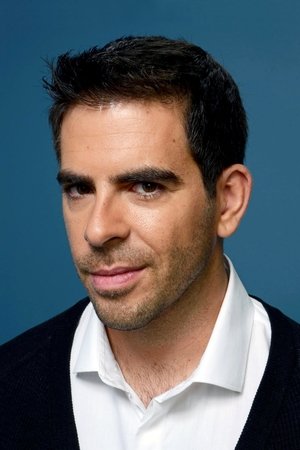
Eli Roth
Eli Raphael Roth (born April 18, 1972) is an American film director, producer, writer and actor. He is part of the group of filmmakers dubbed the Splat Pack, because of their association and their focus on the horror genre. Roth is an award-winning actor, most known for his role as Donny Donowitz in Quentin Tarantino's Inglourious Basterds, for which he won both a SAG Award (Best Ensemble) and also a BFCA Critics Choice Award (Best Acting Ensemble).
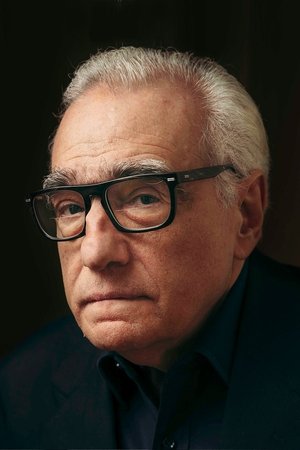
Martin Scorsese
Martin Charles Scorsese (born November 17, 1942) is an American film director, producer, screenwriter, and actor. One of the major figures of the New Hollywood era, he is widely regarded as one of the greatest and most influential directors in film history. Scorsese's body of work explores themes such as Italian-American identity, Catholic concepts of guilt and redemption, faith, machismo, nihilism, crime and sectarianism. Many of his films are known for their depiction of violence and the liberal use of profanity. Scorsese has also dedicated his life to film preservation and film restoration by founding the nonprofit organization The Film Foundation in 1990, as well as the World Cinema Foundation in 2007 and the African Film Heritage Project in 2017. Scorsese studied at New York University (NYU), where he received a bachelor's degree in English literature in 1964, and received a master's degree in fine arts in film from NYU's Tisch School of the Arts in 1968. In 1967 Scorsese's first feature film Who's That Knocking at My Door was released and was accepted into the Chicago Film Festival, where critic Roger Ebert saw it and called it "a marvelous evocation of American city life, announcing the arrival of an important new director". He has established a filmmaking history involving repeat collaborations with actors and film technicians, including nine films made with Robert De Niro. His films with De Niro are the psychological thriller Taxi Driver (1976), the biographical sports drama Raging Bull (1980), the satirical black comedy The King of Comedy (1982), the musical drama New York, New York (1977), the psychological thriller Cape Fear (1991), and the crime films Mean Streets (1973), Goodfellas (1990), Casino (1995) and The Irishman (2019). Scorsese has also been noted for his collaborations with actor Leonardo DiCaprio, having directed him in five films: the historical epic Gangs of New York (2002), the Howard Hughes biography The Aviator (2004), the crime thriller The Departed (2006), the psychological thriller Shutter Island (2010), and the Wall Street black comedy The Wolf of Wall Street (2013). The Departed won Scorsese an Academy Award for Best Director, and for Best Picture. Scorsese is also known for his long-time collaboration with film editor Thelma Schoonmaker, who has edited every Scorsese film beginning with Raging Bull. Scorsese's other film work includes the black comedy After Hours (1985), the romantic drama The Age of Innocence (1993), the children's adventure drama Hugo (2011), and the religious epics The Last Temptation of Christ (1988), Kundun (1997) and Silence (2016).
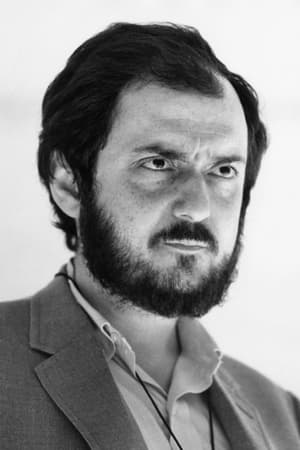
Stanley Kubrick
Stanley Kubrick (July 26, 1928 – March 7, 1999) was an American film director, writer, producer, and photographer who lived in England during most of the last four decades of his career. Kubrick was noted for the scrupulous care with which he chose his subjects, his slow method of working, the variety of genres he worked in, his technical perfectionism, and his reclusiveness about his films and personal life. He maintained almost complete artistic control, making movies according to his own whims and time constraints, but with the rare advantage of big-studio financial support for all his endeavors. Kubrick's films are characterized by a formal visual style and meticulous attention to detail—his later films often have elements of surrealism and expressionism that eschews structured linear narrative. His films are repeatedly described as slow and methodical, and are often perceived as a reflection of his obsessive and perfectionist nature. A recurring theme in his films is man's inhumanity to man. While often viewed as expressing an ironic pessimism, a few critics feel his films contain a cautious optimism when viewed more carefully. The film that first brought him attention to many critics was Paths of Glory (1957), the first of three films of his about the dehumanizing effects of war. Many of his films at first got a lukewarm reception, only to be years later acclaimed as masterpieces that had a seminal influence on many later generations of film-makers. Considered especially groundbreaking was 2001: A Space Odyssey (1968) noted for being both one of the most scientifically realistic and visually innovative science-fiction films ever made while maintaining an enigmatic non-linear storyline. He voluntarily withdrew his film A Clockwork Orange (1971) from England, after it was accused of inspiring copycat crimes which in turn resulted in threats against Kubrick's family. His films were largely successful at the box-office, although Barry Lyndon (1975) performed poorly in the United States. Living authors Anthony Burgess and Stephen King were both unhappy with Kubrick's adaptations of their novels A Clockwork Orange and The Shining (1980) respectively, and both authors were engaged with subsequent adaptations. All of Kubrick's films from the mid-1950s to his death except for The Shining were nominated for Oscars, Golden Globes, or BAFTAs. Although he was nominated for an Academy Award as a screenwriter and director on several occasions, his only personal win was for the special effects in 2001: A Space Odyssey. Even though all of his films, apart from the first two, were adapted from novels or short stories, his works have been described by Jason Ankeny and others as "original and visionary". Although some critics, notably Andrew Sarris and Pauline Kael, frequently disparaged Kubrick's work, Ankeny describes Kubrick as one of the most "universally acclaimed and influential directors of the postwar era" with a "standing unique among the filmmakers of his day."
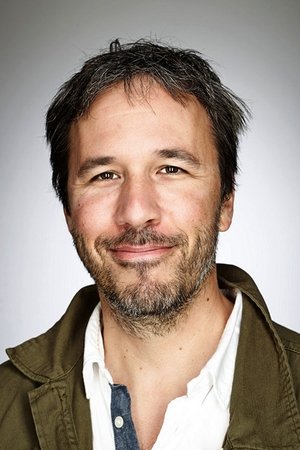
Denis Villeneuve
Denis Villeneuve OC CQ (born October 3, 1967) is a French-Canadian filmmaker. He is a four-time recipient of the Canadian Screen Award (formerly Genie Award) for Best Direction, winning for Maelström in 2001, Polytechnique in 2009, Incendies in 2010 and Enemy in 2013. The first three of these films also won the Canadian Screen Award for Best Motion Picture, while the latter was awarded the prize for best Canadian film of the year by the Toronto Film Critics Association. Internationally, he is known for directing several critically acclaimed films, including the thrillers Prisoners (2013) and Sicario (2015), as well as the science fiction films Arrival (2016) and Blade Runner 2049 (2017). For his work on Arrival, he received an Academy Award nomination for Best Director. He was awarded the prize of Director of the Decade by the Hollywood Critics Association in December 2019. His film, Dune (2021), based on Frank Herbert's novel of the same name, premiered at the 78th Venice International Film Festival; the film received critical acclaim, was a commercial success at the box office internationally, is currently his highest grossing film to date, and earned him Academy Award nominations for Best Adapted Screenplay and Best Picture, with the film itself winning a leading six Oscars at the 94th Academy Awards.
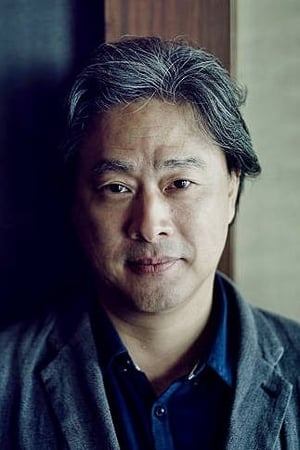
Park Chan-wook
Park Chan-wook (born August 23, 1963) is a South Korean film director, screenwriter, producer, and former film critic. He is considered one of the most prominent filmmakers of South Korean cinema as well as world cinema in 21st century. His films have gained notoriety for their cinematography and framing, black humor and often brutal subject matter. Description above from the Wikipedia article Park Chan-wook, licensed under CC-BY-SA, full list of contributors on Wikipedia.
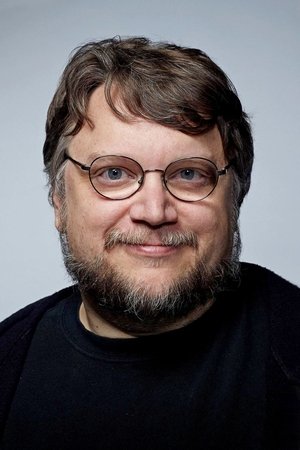
Guillermo del Toro
Guillermo del Toro Gómez (born 9 October 1964) is a Mexican filmmaker and author. A recipient of three Academy Awards, three BAFTA Awards, and an Emmy Award, his work has been characterized by a strong connection to fairy tales and horror, with an effort to infuse visual or poetic beauty in the grotesque. He has had a lifelong fascination with monsters, which he considers symbols of great power. He is also known for his use of insectile and religious imagery, the themes of Catholicism and celebrating imperfection, underworld and clockwork motifs, practical special effects, dominant amber lighting, and his frequent collaborations with actors Ron Perlman and Doug Jones. Throughout his career, del Toro has shifted between Spanish-language films—such as Cronos (1993), The Devil's Backbone (2001), and Pan's Labyrinth (2006)—and English-language films, including Mimic (1997), Blade II (2002), Hellboy (2004) and its sequel Hellboy II: The Golden Army (2008), Pacific Rim (2013), Crimson Peak (2015), The Shape of Water (2017), Nightmare Alley (2021), and Pinocchio (2022). As a producer or writer, he worked on the films The Orphanage (2007), Don't Be Afraid of the Dark (2010), The Hobbit film series (2012–2014), Mama (2013), The Book of Life (2014), Pacific Rim: Uprising (2018), Scary Stories to Tell in the Dark (2019), and The Witches (2020). In 2022, he created the Netflix anthology horror series Guillermo del Toro's Cabinet of Curiosities, featuring a collection of classical horror stories. With Chuck Hogan, he co-authored The Strain trilogy of novels (2009–2011), later adapted into a comic-book series (2011–15) and a live-action television series (2014–17). With DreamWorks Animation and Netflix, he created the animated franchise Tales of Arcadia, which includes the series Trollhunters (2016–18), 3Below (2018–19), and Wizards (2020), and the sequel film Trollhunters: Rise of the Titans (2021). Also with DreamWorks, he executive produced Puss in Boots (2011), Kung Fu Panda 2 (2011), Rise of the Guardians (2012), and Kung Fu Panda 3 (2016). Del Toro is close friends with fellow Mexican filmmakers Alfonso Cuarón and Alejandro G. Iñárritu, and they are collectively known as "The Three Amigos of Cinema." He was included in Time magazine's list of the 100 most influential people in the world in 2018, and he received a motion picture star on the Hollywood Walk of Fame in 2019.
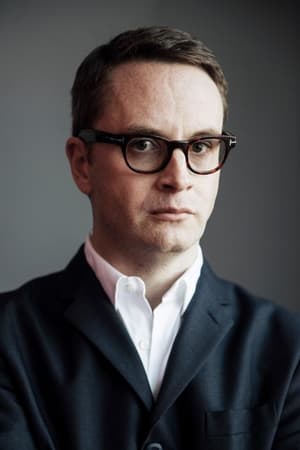
Nicolas Winding Refn
Nicolas Winding Refn (born 29 September 1970) is a Danish film director, screenwriter and producer. He is known for directing the crime dramas Bleeder (1999) and the Pusher films (1996-2005), the fictionalised biographical film Bronson (2008), the dramatic adventure film Valhalla Rising (2009), the neo-noir crime film Drive (2011), the thriller Only God Forgives (2013), and the psychological horror film The Neon Demon (2016). In 2008, Refn co-founded the Copenhagen-based production company Space Rocket Nation.
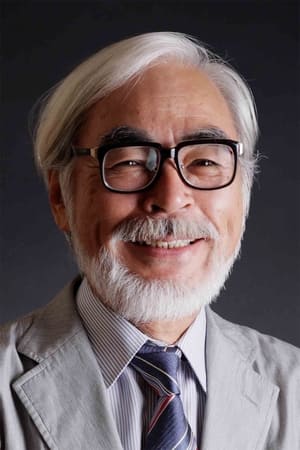
Hayao Miyazaki
Hayao Miyazaki (Miyazaki Hayao, born January 5, 1941) is a Japanese manga artist and prominent film director and animator of many popular anime feature films. Through a career that has spanned nearly five decades, Miyazaki has attained international acclaim as a maker of animated feature films and, along with Isao Takahata, co-founded Studio Ghibli, an animation studio and production company. The success of Miyazaki's films has invited comparisons with American animator Walt Disney, British animator Nick Park as well as Robert Zemeckis, who pioneered Motion Capture animation, and he has been named one of the most influential people by Time Magazine. Miyazaki began his career at Toei Animation as an in-between artist for Gulliver's Travels Beyond the Moon where he pitched his own ideas that eventually became the movie's ending. He continued to work in various roles in the animation industry over the decade until he was able to direct his first feature film Lupin III: The Castle of Cagliostro which was published in 1979. After the success of his next film, Nausicaä of the Valley of the Wind, he co-founded Studio Ghibli where he continued to produce many feature films until Princess Mononoke whereafter he temporarily retired. While Miyazaki's films have long enjoyed both commercial and critical success in Japan, he remained largely unknown to the West until Miramax released his 1997 film, Princess Mononoke. Princess Mononoke was the highest-grossing film in Japan—until it was eclipsed by another 1997 film, Titanic—and the first animated film to win Picture of the Year at the Japanese Academy Awards. Miyazaki returned to animation with Spirited Away. The film topped Titanic's sales at the Japanese box office, also won Picture of the Year at the Japanese Academy Awards and was the first anime film to win an American Academy Award. Miyazaki's films often incorporate recurrent themes, such as humanity's relationship to nature and technology, and the difficulty of maintaining a pacifist ethic. Reflecting Miyazaki's feminism, the protagonists of his films are often strong, independent girls or young women. Miyazaki is a vocal critic of capitalism and globalization. While two of his films, The Castle of Cagliostro and Castle in the Sky, involve traditional villains, his other films such as Nausicaa or Princess Mononoke present morally ambiguous antagonists with redeeming qualities.

Goro Miyazaki
Goro Miyazaki (宮崎 吾朗, Miyazaki Gorō, born January 21, 1967) is a Japanese film director and landscaper. He is the son of animator Hayao Miyazaki, who is one of the co-founders of Studio Ghibli. Described as "reluctant" to follow his father's career, Gorō initially worked as a landscaper for many years before entering the film business. Miyazaki was born to animators Hayao Miyazaki and Akemi Ōta in Tokyo. While growing up, Gorō and his younger brother Keisuke found sketches of their parents' work. As a high school student, Gorō thought that he "would never be able to reach the level [his father] has attained." Gorō instead decided to pursue an interest in landscape architecture. After graduating from Shinshu University's School of Agriculture, Gorō later worked as a construction consultant in the planning and designing of parks and gardens. In 1998, Gorō was involved in the design of the Ghibli Museum in Mitaka, and served as its director from 2001 to June 2005.
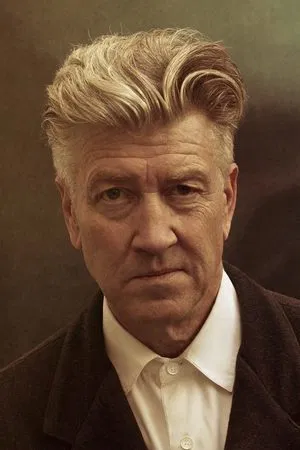
David Lynch
David Keith Lynch (born January 20, 1946) is an American filmmaker, painter, visual artist, musician, actor, and writer. Known for his surrealist films, he has developed his own unique cinematic style, which has been dubbed "Lynchian", and which is characterized by its dream imagery and meticulous sound design. Indeed, the surreal and in many cases violent elements to his films have earned them the reputation that they "disturb, offend or mystify" their audiences. Moving around various parts of the United States as a child within his middle class family, Lynch went on to study painting in Philadelphia, where he first made the transition to producing short films. Deciding to devote himself more fully to this medium, he moved to Los Angeles, where he produced his first motion picture, the surrealist horror Eraserhead (1977). After Eraserhead became a cult classic on the midnight movie circuit, Lynch was employed to direct The Elephant Man (1980), from which he gained mainstream success. Then being employed by the De Laurentiis Entertainment Group, he proceeded to make two films. First, the science-fiction epic Dune (1984), which proved to be a critical and commercial failure, and then a neo-noir crime film, Blue Velvet (1986), which was highly critically acclaimed. Proceeding to create his own television series with Mark Frost, the highly popular murder mystery Twin Peaks (1990–1992), he also created a cinematic prequel, Fire Walk With Me (1992), a road movie, Wild at Heart (1990), and a family film, The Straight Story (1999) in the same period. Turning further towards surrealist filmmaking, three of his following films worked on "dream logic" non-linear narrative structures, Lost Highway (1997), Mulholland Drive (2001) and Inland Empire (2006). Lynch has received three Academy Award nominations for Best Director, for his films The Elephant Man, Blue Velvet and Mulholland Drive, and also received a screenplay Academy Award nomination for The Elephant Man. Lynch has twice won France's César Award for Best Foreign Film, as well as the Palme d'Or at the Cannes Film Festival and a Golden Lion award for lifetime achievement at the Venice Film Festival. The French government awarded him the Legion of Honor, the country's top civilian honor, as a Chevalier in 2002 and then an Officier in 2007, while that same year, The Guardian described Lynch as "the most important director of this era". Allmovie called him "the Renaissance man of modern American filmmaking", whilst the success of his films have led to him being labelled "the first popular Surrealist".
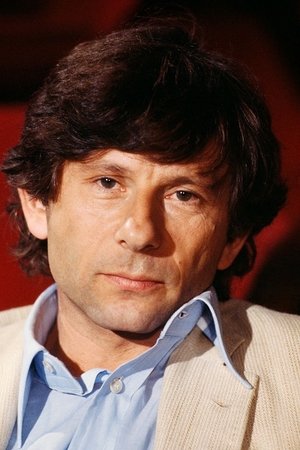
Roman Polanski
Roman Polański (born 18 August 1933) is a Polish-French film director, producer, writer and actor. Born in Paris to Polish parents, Polański relocated with his family to Poland in 1937. After surviving the Holocaust, he continued his education in Poland and became a critically acclaimed director of both art house and commercial films. Polański's first feature-length film, Knife in the Water (1962), made in Poland, was nominated for an Academy Award for Best Foreign Language Film. He has since received five more Oscar nominations, and in 2002 received the Academy Award for Best Director for his film, The Pianist. He has also been the recipient of two Baftas, four Césars, a Golden Globe and the Palme d'Or. He left Poland in 1961 to live in France for several years, then moved to the United Kingdom where he collaborated with Gérard Brach on three films, beginning with Repulsion (1965). In 1968 he moved to the United States, immediately cementing his burgeoning directing status with the 1968 groundbreaking Academy Award winning horror film Rosemary's Baby. In 1969, Polański's pregnant wife, Sharon Tate, was murdered while staying at the Polański's Benedict Canyon home above Los Angeles by members of the Manson Family. Following Tate's death, Polański returned to Europe and spent much of his time in Paris and Gstaad, but did not make another film until he filmed Macbeth (1971) in England. The following year he went to Italy to make What? (1973) and subsequently spent the next five years living near Rome. However, he traveled to Hollywood to direct Chinatown (1974) for Paramount Pictures, with Robert Evans serving as producer. The film was nominated for eleven Academy Awards, and was a critical and box-office success; the script by Robert Towne won for Best Original Screenplay. Polański's next film, The Tenant (1976), was shot in France, and completed the "Apartment Trilogy", following Repulsion and Rosemary's Baby. In 1977, after a photo shoot in Los Angeles, Polański was arrested for the sexual abuse of a 13 year old girl. He was charged with rape but pleaded guilty to unlawful sex with a minor. To avoid sentencing, Polański fled to his home in London, and then moved on to France the following day. He has had a U.S. arrest warrant outstanding since then, and an international arrest warrant since 2005. Polański continued to make films such as The Pianist (2002), a World War II-set adaptation of Jewish-Polish musician Władysław Szpilman's autobiography of the same name, which echoed some of Polański's earlier life experiences. Like Szpilman, Polański escaped the ghetto and the concentration camps while family members were killed. The film won three Academy Awards including Best Director, the Cannes Film Festival's Palme d'Or, and seven French César Awards including Best Picture and Best Director. He then released the successful films Oliver Twist (2005), To Each His Own Cinema (2007), and The Ghost Writer (2010), completed while under house arrest. In September 2009, Polański was arrested by Swiss police, at the request of U.S. authorities, when he traveled to receive a lifetime achievement award at the Zurich Film Festival. In October 2009, the U.S. requested his extradition; however, on July 12, 2010, the Swiss rejected that request and instead declared him a "free man" after releasing him from custody.
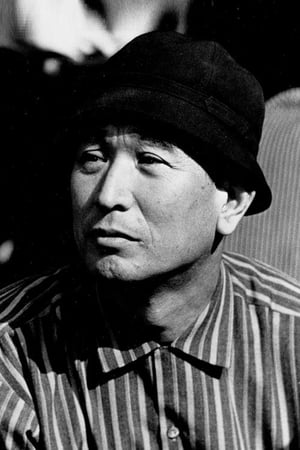
Akira Kurosawa
Akira Kurosawa (黒澤 明) was a Japanese filmmaker and painter who directed thirty films in a career spanning over five decades. He is widely regarded as one of the greatest and most influential filmmakers in the history of cinema. He displayed a bold, dynamic style, strongly influenced by Western cinema yet distinct from it; he was involved with all aspects of film production. Kurosawa entered the Japanese film industry in 1936, following a brief stint as a painter. After years of working on numerous films as an assistant director and scriptwriter, he made his debut as a director during World War II with the popular action film Sanshiro Sugata (1943). After the war, the critically acclaimed Drunken Angel (1948), in which Kurosawa cast the then little-known actor Toshiro Mifune in a starring role, cemented the director's reputation as one of the most important young filmmakers in Japan. The two men would go on to collaborate on another fifteen films. Rashomon (1950), which premiered in Tokyo, became the surprise winner of the Golden Lion at the 1951 Venice Film Festival. The commercial and critical success of that film opened up Western film markets for the first time to the products of the Japanese film industry, which in turn led to international recognition for other Japanese filmmakers. Kurosawa directed approximately one film per year throughout the 1950s and early 1960s, including a number of highly regarded (and often adapted) films, such as Ikiru (1952), Seven Samurai (1954), Throne of Blood (1957), Yojimbo (1961) and High and Low (1963). After the 1960s he became much less prolific; even so, his later work—including two of his final films, Kagemusha (1980) and Ran (1985)—continued to receive great acclaim. In 1990, he accepted the Academy Award for Lifetime Achievement. Posthumously, he was named Asian of the Century in the Arts, Literature, and Culture category by AsianWeek magazine and CNN, cited there as being among the five people who most prominently contributed to the improvement of Asia in the 20th century. His career has been honored by many retrospectives, critical studies and biographies in both print and video, and by releases in many consumer media.
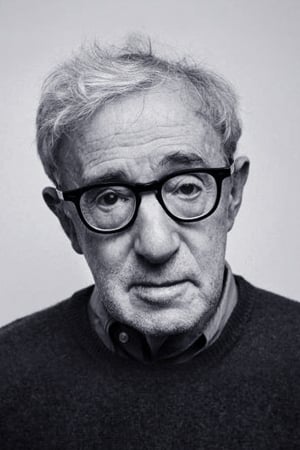
Woody Allen
Woody Allen (born Allen Stewart Konigsberg; November 30, 1935) is an American screenwriter, film director, actor, comedian, writer, musician, and playwright. Allen's distinctive films, which run the gamut from dramas to screwball sex comedies, have made him a notable American director. He is also distinguished by his rapid rate of production and his very large body of work. Allen writes and directs his movies and has also acted in the majority of them. For inspiration, Allen draws heavily on literature, sexuality, philosophy, psychology, Jewish identity, and the history of cinema, among a wealth of other fields of interest. Allen developed a passion for music early on and is a celebrated jazz clarinetist. What began as a teenage avocation has led to regular public performances at various small venues in his hometown of Manhattan, with occasional appearances at various jazz festivals. Allen joined the Preservation Hall Jazz Band and the New Orleans Funeral Ragtime Orchestra in performances that provided the film score for his 1973 comedy Sleeper, and performed in a rare European tour in 1996, which became the subject of the documentary Wild Man Blues.
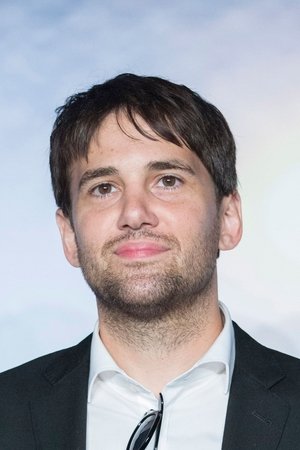
David Robert Mitchell
David Robert Mitchell is an American director mainly known for the breakout horror film ''It Follows'' which had its world premiere at the Cannes Film Festival in May 2014. in 2002, Mitchell wrote and directed ''Virgin'' a short film featuring Carolina Castro and Cameron Diskin about a local legend sees a vision of Virgin Mary which leads him to the pursuit of true love, in 2010, he wrote and directed ''The Myth of The American Sleepover'' which starred Claire Sloma and Marlon Morton, the film had its world premiere at the Cannes Film Festival on May 17, 2010. It was released on July 22, 2010 in a limited release.
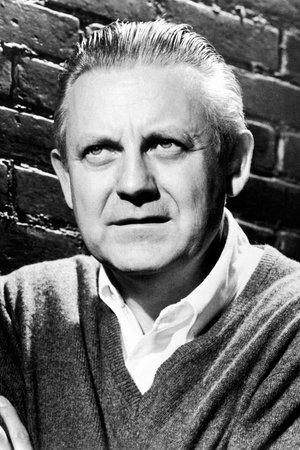
Robert Wise
From Wikipedia, the free encyclopedia Robert Earl Wise (September 10, 1914 – September 14, 2005) was an American sound effects editor, film editor, film producer and director. He won Academy Awards as Best Director for The Sound of Music (1965) and West Side Story (1961) as well as nominations as Best Film Editing for Citizen Kane (1941) and Best Picture for The Sand Pebbles (1966). Among his other films are Born to Kill; Destination Gobi; The Hindenburg; Star Trek: The Motion Picture; The Day the Earth Stood Still; Run Silent, Run Deep; The Andromeda Strain; The Set-Up; The Haunting; and The Body Snatcher. Wise's working period spanned the 1930s to the 1990s. Often contrasted with contemporary "auteur" directors such as Stanley Kubrick who tended to bring a distinctive directorial "look" to a particular genre, Wise is famously viewed to have allowed his (sometimes studio assigned) story to dictate style. Later critics such as Martin Scorsese would go on to expand that characterization, insisting that despite Wise's notorious workaday concentration on stylistic perfection within the confines of genre and budget, his choice of subject matter and approach still functioned to identify Wise as an artist and not merely an artisan. Through whatever means, Wise's approach would bring him critical success as a director in many different traditional film genres: from horror to noir to Western to war films to science fiction, to musical and drama, with many repeat hits within each genre. Wise's tendency towards professionalism led to a degree of preparedness which, though nominally motivated by studio budget constraints, nevertheless advanced the moviemaking art, with many Academy Award-winning films the result. Robert Wise received the AFI Life Achievement Award in 1998. Description above from the Wikipedia article Robert Wise, licensed under CC-BY-SA, full list of contributors on Wikipedia.
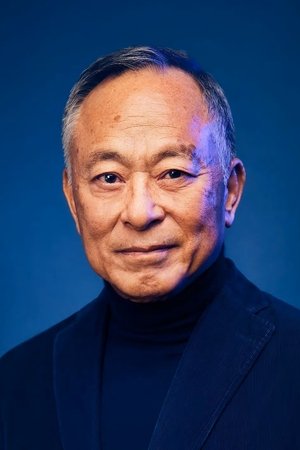
Johnnie To
Johnnie To Kei-Fung, born 22 April 1955, is a Hong Kong film director and producer. Popular in his native Hong Kong, To has also found acclaim overseas. Intensely prolific, To has made films in a variety of genres, though in the West he is best known for his action and crime movies, which have earned him critical respect and a cult following. His films, often made in collaboration with the same group of actors, screenwriters and cinematographers, frequently explore themes of friendship, fate and the changing face of Hong Kong society. Sometimes described as "multifaceted and chameleonic" due to his ability to switch tones and genres between movies, To is nonetheless seen as having a consistent style, which involves mixing subdued realism and social observation with highly stylized visual and acting elements. To heads the Hong Kong-based production company Milkyway Image with his frequent co-director Wai Ka-Fai.
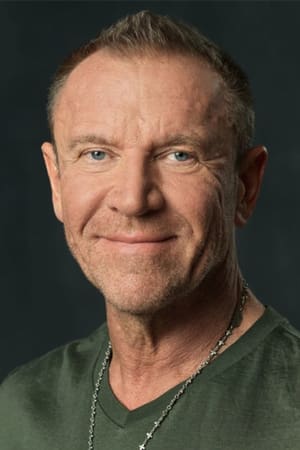
Renny Harlin
Renny Harlin (born Lauri Mauritz Harjola on March 15, 1959) is a Finnish film director and producer, known for directing many action and horror movies. Harlin, best known for directing Die Hard 2, is a 4-time nominee for the infamous Golden Raspberry Award for worst film directing. He is, however, 86th on the list of highest grossing directors of all time (based on U.S. domestic gross revenue).

William Friedkin
William David Friedkin (August 29, 1935 – August 7, 2023) was an American film, television and opera director, producer, and screenwriter who was closely identified with the "New Hollywood" movement of the 1970s. Beginning his career in documentaries in the early 1960s, he is best known for his crime thriller film The French Connection (1971), which won five Academy Awards, including Best Picture and Best Director, and the horror film The Exorcist (1973), which earned him another Academy Award nomination for Best Director. Friedkin's other films in the 1970s and 1980s include the drama The Boys in the Band (1970), considered a milestone of queer cinema; the originally deprecated, now lauded thriller Sorcerer (1977); the crime comedy drama The Brink's Job (1978); the controversial thriller Cruising (1980); and the neo-noir thriller To Live and Die in L.A. (1985). Although Friedkin's works suffered an overall commercial and critical decline in the late 1980s, his last three feature films, all based on plays, were positively received by critics: the psychological horror film Bug (2006), the crime film Killer Joe (2011), and the legal drama film The Caine Mutiny Court-Martial (2023), released two months after his death. He also worked extensively as an opera director from 1998 until his death, and directed various television films and series episodes for television. Description above from the Wikipedia article William Friedkin, licensed under CC-BY-SA, full list of contributors on Wikipedia.
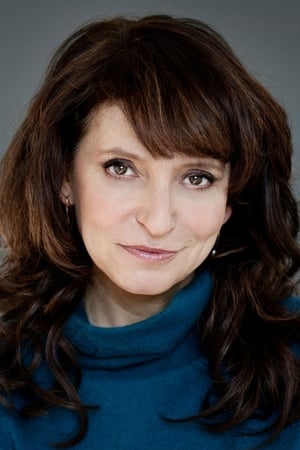
Susanne Bier
Susanne Bier (born 15 April 1960) is a Danish film director best known for her feature films Brothers, After the Wedding and the Academy-Award-winning In a Better World. Description above from the Wikipedia article Susanne Bier, licensed under CC-BY-SA, full list of contributors on Wikipedia.
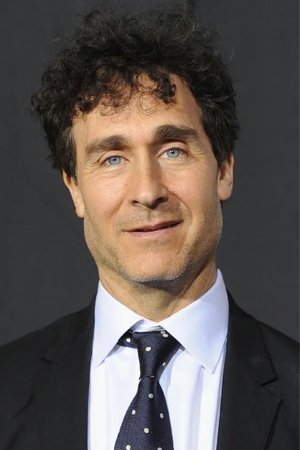
Doug Liman
Douglas Eric Liman (/ˈlaɪmən/; born July 24, 1965) is an American film director and producer. He is known for directing the films Swingers (1996), Go (1999), The Bourne Identity (2002), Mr. & Mrs. Smith (2005), Jumper (2008), Edge of Tomorrow (2014), and American Made (2017). Most of his career has been associated with the production company Hypnotic. He is co-owner with Dave Bartis, whom he met as an undergraduate at Brown University where they co-founded Brown Television (BTV) and the National Association of College Broadcasters (NACB).
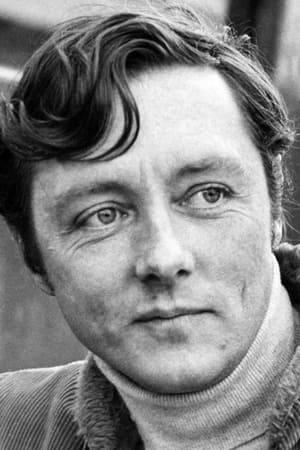
John Flynn
From Wikipedia, the free encyclopedia John Flynn (March 14, 1932 – April 4, 2007) was an American film director and screenwriter known for making efficient, no-nonsense crime-thrillers The Outfit and Rolling Thunder. Flynn was raised in Hermosa Beach, California and served in the Coast Guard, It was during this stint that he studied journalism with Roots author Alex Haley. Flynn received a degree in journalism from UCLA. He began his cinematic career as an apprentice to director Robert Wise on Odds Against Tomorrow and worked as the script supervisor on West Side Story. From there, Flynn worked as a second unit director on Kid Galahad and The Great Escape. He made his debut as a director with The Sergeant starring Rod Steiger. Flynn's substantial commercial success was with The Outfit starring Robert Duvall. The filmmaker achieved a dedicated cult following with the gritty revenge thriller, Rolling Thunder starring William Devane and Tommy Lee Jones. In 1994, he directed the cult classic Brainscan, a thriller about the dangers of virtual reality starring Edward Furlong and Frank Langella. Flynn continued to work on genre films like Best Seller, the Sylvester Stallone prison drama Lock Up, and the Steven Seagal action film, Out for Justice. In the early 1990s, Flynn directed two made-for-cable-TV films, the Dennis Hopper cop film, Nails, and the crime drama Scam. His last film was the direct-to-video film Protection. Description above from the Wikipedia article John Flynn (director), licensed under CC-BY-SA, full list of contributors on Wikipedia.
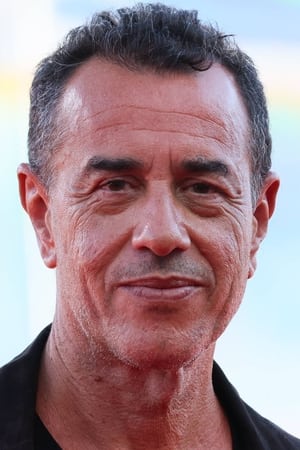
Matteo Garrone
Matteo Garrone (born 15 October 1968; Rome) is an Italian filmmaker. Born in Rome, the son of a theatre critic, Nico Garrone and a photographer, in 1996 Garrone won the Sacher d'Oro, an award sponsored by Nanni Moretti, with the short film Silhouette, that became one of the three episodes that are on his first long feature, Terra di Mezzo in 1997. He won Best Director at the European Film Awards and at the David di Donatello Awards for Gomorrah (2008), among many other awards. His film Reality (2012) competed in competition at the 2012 Cannes Film Festival and won the Grand Prix. His films Tale of Tales (2015) and Dogman (2018) were selected to compete for the Palme d'Or at the 2015 Cannes Film Festival and the 2018 Cannes Film Festival respectively. The Nastro d'argento awarded Garrone both Best Producer and Best Director with Dogman. He received the latter again for Pinocchio (2019).
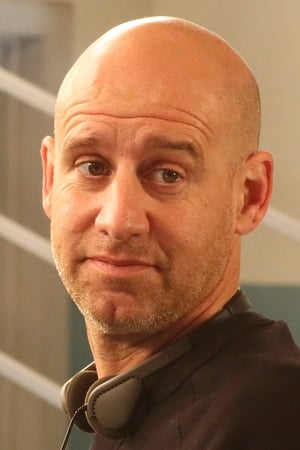
Phil Traill
Phil Traill is a comedy director, writer and producer. Traill born in New Jersey, USA and his family moved to the UK when he was six. He first worked in London before moving to Los Angeles.

Lionel Chabert

Yoshifumi Kondo
Yoshifumi Kondo (1950-1998) was a Japanese animator. He worked for Studio Ghibli in his last years, and was expected to become one of the top directors at Studio Ghibli, along with Hayao Miyazaki and Isao Takahata.

Yoshiyuki Momose
Yoshiyuki Momose (百瀬 義行, Momose Yoshiyuki, born in 1953 in Tokyo, Japan) is a Japanese animator, animation director, and director. He was a regular collaborator of Hayao Miyazaki and the late Isao Takahata at Studio Ghibli. He formed his own studio in 2005, Studio Kajino. Kajino was subcontracted by Ghibli to produce several music videos for Yasutaka Nakata, part of the musical duo Capsule and other commercial shorts. He was also the animation director and character designer for the Ni no Kuni series. In July 2011, he released Yoshiyuki Momose Studio Ghibli Works (百瀬義行 スタジオジブリワークス), published by Ichijinsha. He currently works at Studio Ponoc, based in Tokyo, Japan. The company was founded by former Studio Ghibli lead film producer Yoshiaki Nishimura in April 2015. Momose directed a short for the Tokyo Olympic Games 2020 inspired by Olympic values.

Hiromasa Yonebayashi
From Wikipedia, the free encyclopedia. Hiromasa Yonebayashi (born 1973 in Ishikawa Prefecture, Japan), nicknamed Maro, is a Japanese animator and director for Studio Ghibli. Making his directing debut with them in the film The Borrower Arrietty, he became the youngest director of a Studio Ghibli film. Description above from the Wikipedia article Hiromasa Yonebayashi, licensed under CC-BY-SA, full list of contributors on Wikipedia.
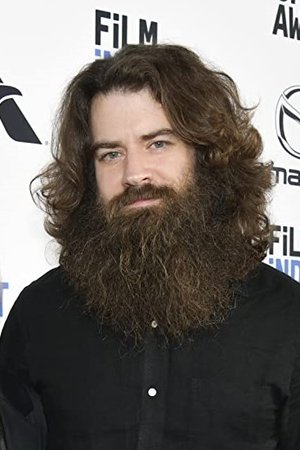
Andrew Patterson

Yoko Okumura
Baptiste Drapeau
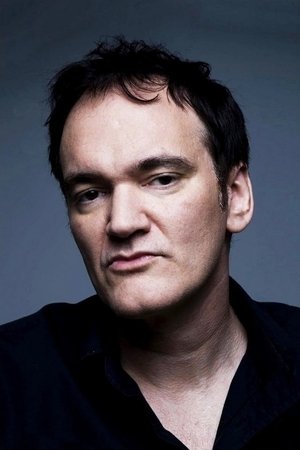
Quentin Tarantino
Quentin Jerome Tarantino (born March 27, 1963) is an American film director, screenwriter, producer, cinematographer and actor. In the early 1990s he was an independent filmmaker whose films used nonlinear storylines and aestheticization of violence. His films have earned him a variety of Academy Award, Golden Globe, BAFTA and Palme d'Or Awards and he has been nominated for Emmy and Grammy Awards. In 2007, Total Film named him the 12th-greatest director of all time. Tarantino was born in Knoxville, Tennessee, the son of Connie McHugh Tarantino Zastoupil, a health care executive and nurse born in Knoxville, and Tony Tarantino, an actor and amateur musician born in Queens, New York. Tarantino's mother allowed him to quit school at age 17, to attend an acting class full time. Tarantino gave up acting while attending the acting school, saying that he admired directors more than actors. Tarantino also worked in a video rental store before becoming a filmmaker, paid close attention to the types of films people liked to rent, and has cited that experience as inspiration for his directorial career. Description above from the Wikipedia article Quentin Tarantino, licensed under CC-BY-SA, full list of contributors on Wikipedia.
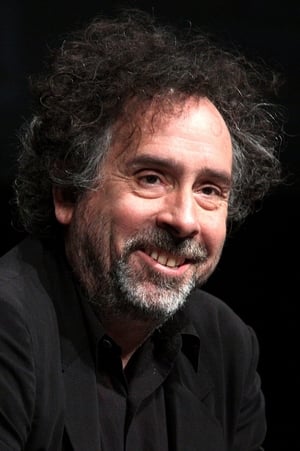
Tim Burton
Timothy Walter Burton (born August 25, 1958) is an American filmmaker and animator. He is known for his gothic fantasy and horror films such as Beetlejuice (1988), Edward Scissorhands (1990), The Nightmare Before Christmas (1993), Ed Wood (1994), Sleepy Hollow (1999), Corpse Bride (2005), Sweeney Todd: The Demon Barber of Fleet Street (2007) and Dark Shadows (2012), as well as the television series Wednesday (2022). Burton also directed the superhero films Batman (1989) and Batman Returns (1992), the sci-fi film Planet of the Apes (2001), the fantasy-drama Big Fish (2003), the musical adventure film Charlie and the Chocolate Factory (2005), and the fantasy films Alice in Wonderland (2010) and Miss Peregrine's Home for Peculiar Children (2016). Burton has often worked with actors Winona Ryder, Johnny Depp, Lisa Marie (former girlfriend), Helena Bonham Carter (his former domestic partner) and composer Danny Elfman, who scored all but three of Burton's films. Burton also wrote and illustrated the poetry book The Melancholy Death of Oyster Boy & Other Stories, published in 1997 by British publishing house Faber and Faber, and a compilation of his drawings, sketches, and other artwork, entitled The Art of Tim Burton, was released in 2009. A follow-up to that book, entitled The Napkin Art of Tim Burton: Things You Think About in a Bar, containing sketches made by Burton on napkins at bars and restaurants he visited, was released in 2015. His accolades include nominations for two Academy Awards and three BAFTA Awards, and wins for an Emmy Award and a Golden Globe Award.
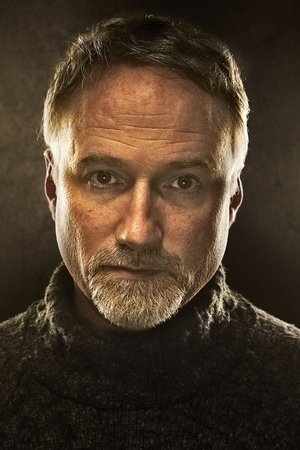
David Fincher
David Andrew Leo Fincher (born August 28, 1962) is an American film director. His films, mostly thrillers, have received 40 nominations at the Academy Awards, including three for him as Best Director. Born in Denver, Colorado, Fincher was interested in filmmaking at an early age. He directed numerous music videos, most notably Madonna's "Express Yourself" in 1989 and "Vogue" in 1990, both of which won him the MTV Video Music Award for Best Direction. He made his feature film debut with Alien 3 (1992), which garnered mixed reviews, followed by the thriller Seven (1995), which was better received. Fincher found lukewarm success with The Game (1997) and Fight Club (1999), but the latter eventually became a cult classic. In 2002, he returned to prominence with the thriller Panic Room starring Jodie Foster. Fincher also directed Zodiac (2007), The Social Network (2010), The Girl with the Dragon Tattoo (2011), and Mank (2020). For The Social Network, he won the Golden Globe Award for Best Director and BAFTA Award for Best Direction. His biggest commercial successes are The Curious Case of Benjamin Button (2008) and Gone Girl (2014), both of which grossed more than $300 million worldwide, with the former earning thirteen nominations at the Academy Awards, and eleven at the British Academy Film Awards. He also served as an executive producer and director for the Netflix series House of Cards (2013–2018) and Mindhunter (2017–2019), winning the Primetime Emmy Award for Outstanding Directing for a Drama Series for the pilot episode of House of Cards. Fincher was the co-founder of Propaganda Films, a film, and music.

Makoto Shinkai
Makoto Niitsu (新津 誠, Niitsu Makoto), known as Makoto Shinkai (新海 誠, Shinkai Makoto) is a Japanese animation director, author, and manga artist. Shinkai began his career as a video game animator with Nihon Falcom in 1996, and gained recognition as a filmmaker with the release of the original video animation (OVA) She and Her Cat (1999). Beginning his longstanding association with CoMix Wave Films, Shinkai then released the science-fiction OVA Voices of a Distant Star in 2002, and followed this with his debut feature film The Place Promised in Our Early Days (2004). Shinkai's second feature film, the romantic drama anthology 5 Centimeters per Second (2007), gained critical acclaim, as did his subsequent releases, the dramas Children Who Chase Lost Voices (2011) and The Garden of Words (2013). Shinkai's 2016 fantasy romance Your Name was a critical and commercial success, becoming the third highest-grossing anime film of all time. His 2019 film, Weathering with You, also achieved similar critical and commercial success. His seventh film, Suzume, was released in Japan in November 2022.
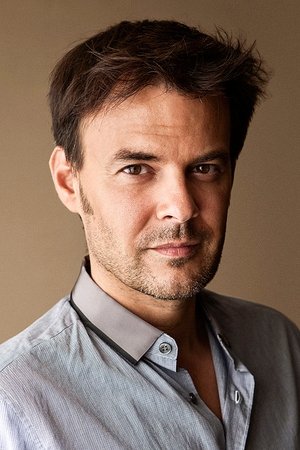
François Ozon
François Ozon (born 15 November 1967) is a French film director and screenwriter and whose films are usually characterized by sharp satirical wit and a freewheeling view on human sexuality. He has achieved international acclaim for his films 8 femmes (2002) and Swimming Pool (2003). Ozon is considered to be one of the most important young French film directors in the new “New Wave” in French cinema such as Jean-Paul Civeyrac, Philippe Ramos, and Yves Caumon, as well as a group of French filmmakers associated with a "cinema du corps/cinema of the body". Description above from the Wikipedia article François Ozon, licensed under CC-BY-SA, full list of contributors on Wikipedia.
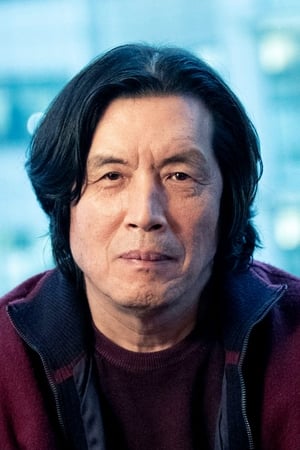
Lee Chang-dong
Lee Chang-dong (born July 4, 1954) is a South Korean film director, screenwriter and novelist. He won the 2008 Special Director's Prize at the Asian Film Awards and has been nominated for the Golden Lion and Palme d'Or. Lee served as the minister of Culture and Tourism in the South Korean Government from 2003 to 2004. Description above from the Wikipedia article Lee Chang-dong, licensed under CC-BY-SA, full list of contributors on Wikipedia.
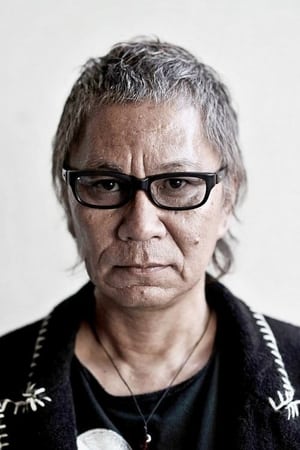
Takashi Miike
Takashi Miike (三池 崇史 Miike Takashi, born August 24, 1960) is a highly prolific and controversial Japanese filmmaker. He has directed over one hundred theatrical, video, and television productions since his debut in 1991. In the years 2001 and 2002 alone, Miike is credited with directing fifteen productions. His films range from violent and bizarre to dramatic and family-friendly.
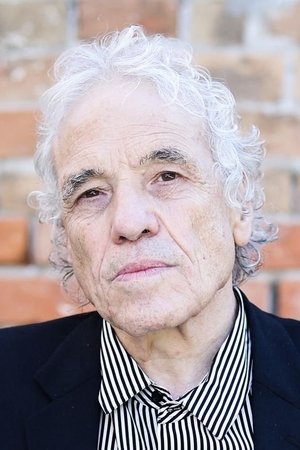
Abel Ferrara
Abel Ferrara is an American movie screenwriter and director. He is best known as an independent filmmaker of such films as The Driller Killer (1979), Ms. 45 (1981), King of New York (1990), Bad Lieutenant (1992) and The Funeral (1996).
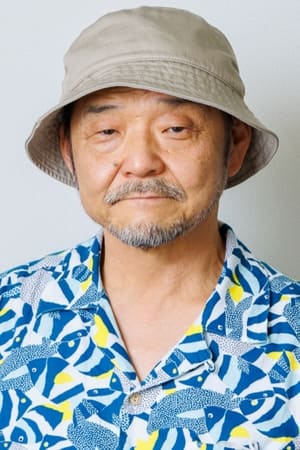
Mamoru Oshii
Mamoru Oshii (押井 守, Oshii Mamoru, born 8 August 1951) is a Japanese filmmaker, television director and writer. Famous for his philosophy-oriented storytelling, Oshii has directed a number of acclaimed anime films, including Urusei Yatsura 2: Beautiful Dreamer (1984), Angel's Egg (1985), Patlabor 2: The Movie (1993), and Ghost in the Shell (1995).

Dario Argento
Dario Argento was born on September 7, 1940, in Rome, Italy, the first-born son of famed Italian producer Salvatore Argento and Brazilian fashion model Elda Luxardo. Argento recalls getting his ideas for filmmaking from his close-knit family from Italian folk tales told by his parents and other family members, including an aunt who told him frighting bedtime stories. Argento based most of his thriller movies on childhood trauma, yet his own--according to him--was a normal one. Along with tales spun by his aunt, Argento was impressed by stories from The Grimm Brothers, Hans Christian Andersen and Edgar Allan Poe. Argento started his career writing for various film journal magazines while still in his teens attending a Catholic high school. After graduation, instead of going to college, Argento took a job as a columnist for the Rome daily newspaper "Paese Sera". Inspired by the movies, he later found work as a screenwriter and wrote several screenplays for a number of films, but the most important were his western collaborations, which included Cimitero senza croci (1969) and the Sergio Leone masterpiece C'era una volta il West (1968). He is known in italy as Master of Horror.

Dean DeBlois
Dean DeBlois (born June 7, 1970) is a Canadian film director, film producer, screenwriter, animator, camera operator, and editor. He is best known for co-writing and co-directing The Oscar-nominated animated films Lilo & Stitch and How to Train Your Dragon, and for directing the acclaimed Sigur Rós documentary/music film Heima.
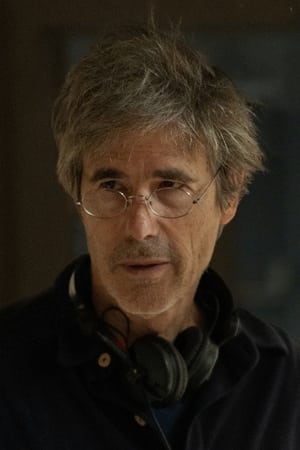
Walter Salles
Walter Moreira Salles, Jr. (born April 12, 1956) is a Brazilian filmmaker and film producer of international prominence.
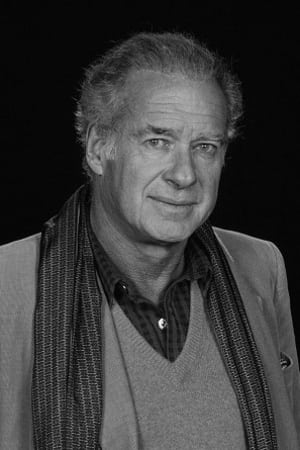
John Frankenheimer
John Michael Frankenheimer (February 19, 1930 – July 6, 2002) was an American film and television director known for social dramas. He won four consecutive Emmy Awards in the 1990s for the television movies Against the Wall, The Burning Season, Andersonville and George Wallace, which also received a Golden Globe award. He was considered one of the last remaining directors who insisted on having complete control over all elements of production, making his style unique in Hollywood. His 30 feature films and over 50 plays for television were notable for their influence on contemporary thought. He became a pioneer of the "modern-day political thriller," having begun his career at the peak of the Cold War. Many of his films were noted for creating "psychological dilemmas" for his male protagonists along with having a strong "sense of environment," similar in style to films by director Sidney Lumet, for whom he had earlier worked as assistant director. He developed a "tremendous propensity for exploring political situations" which would ensnare his characters. Movie critic Leonard Maltin writes that "in his time [1960s]... Frankenheimer worked with the top writers, producers and actors in a series of films that dealt with issues that were just on top of the moment—things that were facing us all." Among his credits were The Manchurian Candidate (1962), Birdman of Alcatraz (also 1962), The Train, (1964), Seven Days in May (also 1964) and Ronin (1998). Description above from the Wikipedia article John Frankenheimer, licensed under CC-BY-SA, full list of contributors on Wikipedia.
Page 1 sur 165